Introduction:
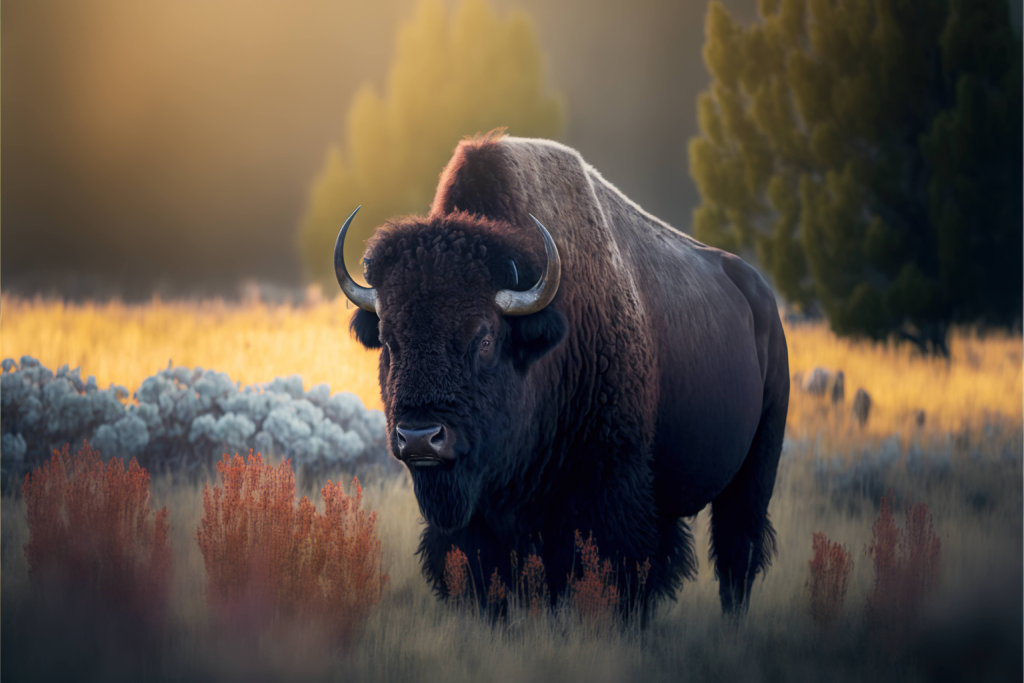
Executive Concept
The proposed project is a 30,000-acre (approximately 12,140-hectare) European bison conservation and nature-tourism estate in Belgium, initially targeting a herd of approximately 650 European bison (Bison bonasus).
Rather than operating as a conventional livestock ranch, the project should be developed as a large private nature reserve combining conservation, ecological restoration, premium ecotourism, research, education and limited agricultural activity.
The preferred location would be in southern/eastern Wallonia, particularly the Ardennes region, where large contiguous areas of woodland, grassland, water and relatively low population density could support a landscape-scale project.
The commercial proposition is:
A European wilderness destination centred around one of Europe’s most iconic large mammals.
The bison provide the ecological and tourism attraction; hospitality and experiences provide the principal commercial revenues.
Summary:
1. Strategic Objectives
The project would pursue five interconnected objectives:
Conservation
Establish a genetically managed population of approximately 650 European bison, supported by veterinary care, DNA/pedigree management, controlled breeding and partnerships with European conservation institutions.
Nature Restoration
Restore and manage woodland, grassland, wetlands and natural grazing ecosystems. The project should establish measurable biodiversity and ecological outcomes and publish an annual Nature Impact Report.
Premium Ecotourism
Develop a destination comparable in concept to a European safari reserve, offering luxury accommodation, guided bison safaris, wildlife photography, nature walks and private conservation experiences.
Research & Education
Create a European Bison Research and Education Centre working with universities, wildlife organisations and conservation institutions on genetics, ecology, animal health, biodiversity and ecosystem restoration.
Sustainable Commercial Activity
Generate income through hospitality, wildlife experiences, food and beverage, corporate retreats, research, education, memberships, donations and carefully controlled agricultural/product activities.
2. Land Strategy
Purchasing the full 30,000 acres immediately would create excessive capital and execution risk.
A preferred strategy is to build the landscape progressively:
| Phase | Land controlled | Approx. herd |
| Phase 1 | 1,000–1,500 ha | 50–100 |
| Phase 2 | 3,000–5,000 ha | 150–250 |
| Phase 3 | 7,000–9,000 ha | 350–500 |
| Phase 4 | ~12,140 ha | ~650 |
The ultimate 30,000-acre landscape does not necessarily need to be entirely owned. A combination of owned core land, long-term leases and conservation/land-management agreements could substantially reduce capital requirements.
A possible mature structure would be:
- 10,000 acres owned core reserve;
- 10,000 acres under long-term leases;
- 10,000 acres integrated through ecological partnerships.
Land acquisition costs could represent several hundred million euros depending on location, land quality, forestry, buildings and development rights; therefore, acquisition should only follow completion of legal, ecological and financial due diligence.
3.Business Model
The project should have several complementary revenue streams.
| Revenue source | Indicative mature share |
| Luxury accommodation | 30–40% |
| Wildlife experiences/safaris | 15–20% |
| Food & beverage | 10–15% |
| Corporate events/retreats | 5–10% |
| Research & education | 5–10% |
| Memberships/donations | 5–10% |
| Conservation grants/contracts | 5–15% |
| Agriculture/other products | 5–10% |
Tourism
The flagship tourism product should be small-scale, high-value and exclusive, rather than a mass-market attraction.
Potential accommodation could eventually include:
- 60–80 luxury lodge rooms;
- 20–40 forest cabins;
- 10–20 premium villas or safari lodges.
Potential products include sunrise/sunset bison safaris, specialist photography, private wildlife tours, educational programmes, corporate retreats and multi-day conservation experiences.
A mature property with approximately 100–150 accommodation units could potentially generate €20–35 million in annual total revenue, depending heavily on occupancy, room rates and the scale of tourism operations. A mature EBITDA target of approximately €5–10 million could be used as an initial investment-planning objective, subject to detailed feasibility modelling.
4. Conservation & Herd Management
The 650 bison should be managed as a scientifically controlled conservation population, not as conventional livestock.
The reserve should establish:
- individual animal identification;
- pedigree and genomic records;
- controlled breeding;
- veterinary surveillance;
- quarantine facilities;
- disease monitoring;
- animal-transfer partnerships;
- population and habitat monitoring.
The property should be divided into large ecological and management zones, with public access restricted to designated areas. Visitors should generally encounter bison from vehicles, observation platforms or controlled viewing hides.
A dedicated wildlife veterinarian and trained animal-management team should be established.
5. Infrastructure & Operations
Major infrastructure requirements include:
- secure perimeter fencing;
- internal management fencing;
- wildlife gates and crossings;
- bison handling facilities;
- quarantine areas;
- veterinary facilities;
- ranger and security network;
- internal roads;
- water infrastructure;
- emergency access;
- visitor centre;
- lodge/hotel facilities;
- research centre.
Safety and emergency procedures are critical because European bison are powerful wild animals. The operating plan must address escape, road incidents, visitor safety, disease outbreaks, severe weather and other emergencies.
6.Legal & Regulatory Strategy
Regulatory feasibility must precede major land or animal acquisition.
European bison are subject to European conservation legislation, while Wallonia has specific rules concerning the possession of mammals, large-game parks, live large-game transport and related activities.
The project therefore requires specialist Belgian legal and environmental advice covering:
- animal ownership;
- conservation status;
- breeding and animal transfers;
- animal welfare;
- wildlife containment;
- environmental permits;
- land-use/zoning;
- buildings and accommodation;
- water and wastewater;
- tourism;
- public access;
- veterinary requirements.
The project should also engage early with Walloon authorities. Wallonia currently provides a pre-filing mechanism for strategic projects requiring multiple authorisations, which could be particularly valuable for a development of this scale.
7.Capital Structure
A separate structure for commercial and conservation activities is recommended:
Holding Company
- owns land and major assets.
Operating Company
- manages hotels, tourism, restaurants, events and commercial activities.
Conservation Foundation
- manages conservation, research, education, biodiversity programmes and scientific partnerships.
Potential sources of capital include:
- private/family-office investment;
- hospitality investors;
- impact investors;
- conservation foundations;
- EU/Walloon programmes;
- corporate biodiversity partnerships;
- philanthropy.
Grants and ecological finance should supplement, rather than underpin, the commercial business case.
8.Ten-Year Development Roadmap
Years 0–1 — Feasibility
Identify candidate land, complete ecological and legal studies, engage authorities, establish the business plan and secure initial investors.
Years 1–3 — Pilot Reserve
Acquire/lease 1,000–1,500 ha, establish fencing and veterinary infrastructure, introduce the first bison and develop an initial visitor operation.
Years 3–5 — Commercial Launch
Expand to 3,000–5,000 ha, increase the herd to 150–250 animals, open the first major lodge and develop wildlife tourism.
Years 5–8 — Regional Expansion
Reach 7,000–9,000 ha and 350–500 bison. Expand accommodation, research, education and conservation partnerships.
Years 8–12 — Full Vision
Approach 30,000 acres and approximately 650 bison, subject to ecological carrying capacity and regulatory approval. Establish the reserve as an internationally recognised European bison conservation and luxury nature-tourism destination.
Conclusion:
Investment Proposition
The project’s fundamental value comes from combining three assets:
Land + Conservation Ecosystem + Tourism Brand
The bison should not be viewed primarily as livestock. They are the ecological and experiential anchor of a much larger nature-based business.
The long-term vision is to establish a globally recognised Belgian destination where conservation, luxury tourism, scientific research and ecological restoration reinforce each other.
The immediate priority is therefore not purchasing 30,000 acres. It is completing a rigorous feasibility study covering land availability, Belgian/Walloon regulation, ecological carrying capacity, tourism demand, infrastructure requirements and a detailed 15-year financial model.
Recommended next step: develop a full investment-grade feasibility and financial model before committing substantial capital.